by admin | Sep 29, 2026 | Rain Gutters
When you live in Phoenix, gutters might not seem like an obvious home improvement. Most of the year is dry, and it is easy to assume that rain gutters are more important in places that receive regular rainfall. But when a heavy storm moves through the Valley, a large amount of water can reach your roof and property in a short period of time.
Without a way to control that runoff, water can pour directly off the roof, collect around the foundation, wash away landscaping, or create muddy and eroded areas around the home.
That is where properly installed rain gutters can make a difference.
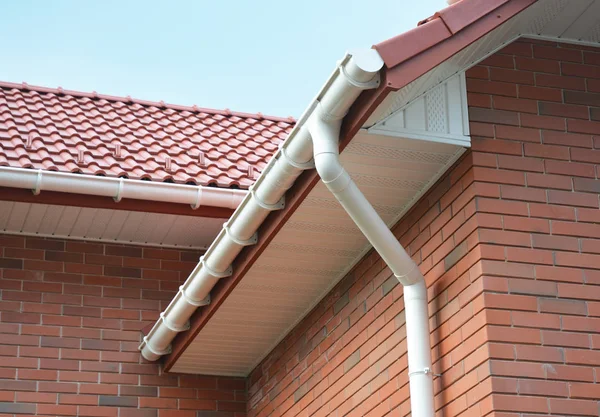
Rain gutter installation in Phoenix gives homeowners a way to collect roof runoff and direct it away from areas where concentrated water could cause problems. The goal is not simply to put gutters along the edge of a roof. A properly planned system should work with the roof, property, landscaping, and existing drainage.
Does a Phoenix Home Really Need Rain Gutters?
Not every home has the same drainage needs.
The design of the roof, slope of the property, landscaping, soil, existing drainage, and location of doors, walkways, patios, and other features all affect where rainwater ends up.
A home without gutters may allow water to fall from the roof in concentrated streams. Over time, that water can disturb soil, damage landscaping, leave standing water in certain areas, or create channels where runoff repeatedly travels.
The problem can become more noticeable during heavy rain because a roof collects water from a much larger surface area than the ground immediately below it.
If you have noticed soil washing away near your home, water pooling along the side of the house, stains from repeated runoff, or water pouring heavily from particular sections of the roof, it may be worth looking at how your property currently handles rainwater.
Why Gutters Matter During Phoenix Storms
Phoenix does not receive rain evenly throughout the year. Long dry periods can be followed by intense storms that produce significant runoff in a relatively short amount of time.
That makes drainage particularly important.
A gutter system gives rainwater a controlled path from the roof toward downspouts and, depending on the property, an appropriate drainage area. Instead of allowing water to fall wherever gravity takes it, the system helps manage where that water leaves the roof.
This can be especially useful around entryways, garages, patios, walkways, and landscaped areas where uncontrolled runoff can become a nuisance.
Gutters are not a substitute for every type of drainage solution, and they cannot correct every water problem around a home. But when roof runoff is contributing to a drainage issue, they can be an important part of the solution.
What Happens During Rain Gutter Installation?
A good installation starts before the first section of gutter is attached.
The roofline needs to be evaluated to determine where gutters and downspouts should be positioned. The installer also needs to consider the direction of water flow and where the collected water should be discharged.
Measurements are taken to determine the appropriate gutter lengths and layout. Gutters are then installed with the necessary slope so water can move toward the downspouts instead of remaining trapped inside the system.
Downspouts are positioned to move water away from the building and toward an appropriate discharge location.
The details matter. A gutter that looks perfectly straight but does not drain correctly is not doing its job.
The finished system should be secure, properly aligned, and capable of handling the runoff generated by the roof.
What Type of Gutters Should You Choose?
There is no single gutter style that is right for every Phoenix home.
Gutters are available in different materials, profiles, sizes, and configurations. The best option depends on the home, roof design, budget, appearance, and expected maintenance.
Aluminum is a popular option because it is relatively lightweight and can be used in a variety of residential applications. Other materials may be appropriate depending on the homeowner’s priorities and the contractor’s recommendations.
The size of the gutter system also matters. A small section of gutter may not perform well if it is expected to handle a large volume of runoff.
Rather than choosing a system solely because it looks good or has the lowest initial price, homeowners should consider how the system will perform on their particular roof.
Do Gutters Need to Match the House?
They can.
For many homeowners, appearance is almost as important as function. Gutters are visible from the exterior, so their color and profile can affect the overall appearance of the home.
A well-designed system can blend into the roofline and complement the exterior rather than becoming a noticeable feature.
This is particularly important for homeowners who have recently invested in landscaping, exterior painting, roofing, or other improvements. The gutter system should look like part of the home rather than an afterthought.
What About Downspouts?
Gutters can only do their job if the collected water has somewhere to go.
Downspouts carry water from the gutter system toward the ground. Their placement can have a major effect on how well the overall system manages runoff.
A downspout that releases water directly beside the house may simply move the original problem from the roof edge to the ground.
That is why installation should consider where water will be discharged and what happens after it reaches the ground. Depending on the property, runoff may need to be directed toward an appropriate drainage area or away from vulnerable parts of the landscape.
The right solution varies from one property to another.
How Can Gutters Help Protect Landscaping?
Phoenix homeowners put a lot of effort into their yards, and uncontrolled roof runoff can work against that investment.
When water repeatedly falls onto the same area, it can disturb decorative rock, wash away soil, expose plant roots, or create channels through landscaping.
Gutters and properly positioned downspouts can help redirect that concentrated roof runoff.
They are not a guarantee against landscaping damage, especially during severe storms, but controlling where roof water lands can make it easier to manage drainage around the property.
What Should You Ask Before Hiring a Rain Gutter Installer?
Rain gutter installation in Phoenix is relatively straightforward when everything is planned correctly, but the quality of the planning and installation still matters.
Ask the contractor how the gutter layout will handle runoff from your roof. Find out where the downspouts will be located and where they will direct water.
It is also reasonable to ask about the gutter material, size, installation method, maintenance requirements, and what is included in the project.
If you already have a drainage problem, explain what you have observed rather than simply asking for gutters. For example, tell the contractor where water pools, where soil is being washed away, or where runoff is causing problems.
That information can help determine whether gutters are the appropriate solution or whether another drainage improvement should also be considered.
When Should You Install New Gutters?
There is no need to wait until a drainage problem becomes severe.
If your home currently has no gutters and you are seeing signs of uncontrolled roof runoff, installation may be worth considering. The same is true if existing gutters are sagging, separating, leaking, pulling away from the roofline, or repeatedly overflowing.
Replacing an old system can also be an opportunity to improve the layout. Sometimes the problem is not simply that the gutters are old. The original system may not have been designed effectively for the home’s roof and drainage needs.
A professional evaluation can help determine whether repair, replacement, or a new installation makes the most sense.
Rain Gutter Installation in Phoenix, Is it Worthit?
For homeowners dealing with roof runoff, the value of gutters is not really about how often it rains. It is about what happens when it does.
A roof can collect a substantial amount of water during a storm. Without controlled drainage, that water has to go somewhere, and the areas immediately around the home may end up receiving much more runoff than they can handle.
A properly designed gutter system can give that water a more controlled route away from vulnerable areas.
For some homes, gutters may be a simple improvement. For others, they may be one part of a larger drainage strategy. The important thing is to look at how water currently moves around the property and identify whether changes are needed.
Getting Started With Gutter Installation in Phoenix
If rainwater is creating problems around your home, take a look at what happens the next time a storm passes through. Watch where water comes off the roof, where it collects, and whether soil or landscaping is being disturbed.
Those observations can tell you a lot about whether your current drainage setup is working.
A professional gutter installer can then evaluate the roofline and property and recommend a system suited to the home rather than simply installing a standard configuration.
With the right layout, rain gutter installation in Phoenix can help homeowners take better control of roof runoff. Additionally, it protects vulnerable areas around the property, and make heavy rain easier to manage.
If your home does not have gutters or your existing system is no longer handling runoff effectively, schedule an evaluation with a local gutter professional to discuss your options.
by admin | Mar 7, 2025 | Rain Gutters
Home gutters play a critical role in directing rainwater away from your home’s foundation, walls, and landscape. Without properly functioning gutters, water damage can lead to costly repairs and structural issues. Installing and maintaining gutters ensures your home remains safe from erosion, flooding, and mold growth.
The Importance of Properly Installed Home Gutters
A well-designed gutter system prevents water from pooling around your foundation. When rainwater is not directed away, it seeps into the ground, weakening the structure and causing basement flooding. Proper gutter installation reduces these risks and prolongs the lifespan of your home’s foundation.
Gutters also protect exterior walls and siding from water stains, rotting, and mold growth. Without gutters, excessive moisture builds up, leading to unsightly damage and costly repairs. By effectively channeling water, gutters help maintain the integrity of your home’s exterior.
Common Gutter Materials and Their Benefits
Choosing the right gutter material impacts durability and performance. Homeowners can select from several options, each with unique advantages:
- Aluminum Gutters – Lightweight, rust-resistant, and affordable, aluminum gutters remain a popular choice. They withstand various weather conditions and are easy to install.
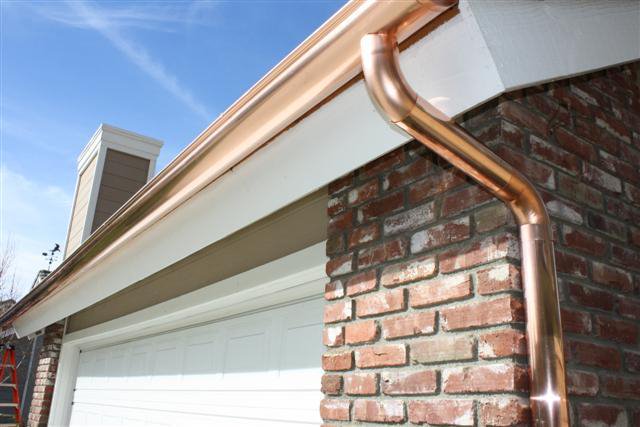
- Copper Gutters – Known for their longevity and aesthetic appeal, copper gutters develop a natural patina over time. While more expensive, they offer superior durability.
- Vinyl Gutters – Budget-friendly and easy to install, vinyl gutters resist rust and corrosion. However, they may crack in extreme temperatures.
- Steel Gutters – Strong and long-lasting, steel gutters handle heavy rainfall well. Galvanized versions resist rust but require regular maintenance.
Selecting the best material ensures longevity and enhances the functionality of your home’s drainage system.
Gutter Maintenance Tips to Prevent Clogs and Damage
Regular maintenance keeps gutters in optimal condition and prevents costly repairs. Follow these essential tips:
- Clean Gutters Regularly – Leaves, twigs, and debris accumulate over time, causing clogs. Clean gutters at least twice a year, especially in the fall and spring.
- Install Gutter Guards – Mesh or screen guards prevent debris buildup, reducing cleaning frequency and improving water flow.
- Check for Leaks and Sagging – Inspect gutters for cracks, loose fasteners, or sections pulling away from the roofline. Prompt repairs prevent further damage.
- Ensure Downspouts Are Clear – Clogged downspouts lead to overflowing gutters. Use a garden hose to flush out blockages and keep water flowing smoothly.
Proper maintenance extends the lifespan of gutters and prevents water-related issues.
Signs Your Home Gutters Need Replacement
Gutters wear out over time, requiring replacement to maintain home protection. Watch for these warning signs:
- Cracks or Holes – Small cracks expand over time, leading to leaks and water damage.
- Peeling Paint or Rust Spots – Visible rust or peeling paint signals aging gutters that may no longer function properly.
- Water Pooling Around the Foundation – If water collects near your home’s base, gutters may not be draining efficiently.
- Sagging or Detached Gutters – Gutters pulling away from the roofline indicate structural failure and require immediate attention.
Replacing old or damaged gutters ensures your home remains safeguarded from water damage and erosion.
Home gutters serve as a vital defense against water damage, protecting foundations, walls, and landscapes. Proper installation, routine maintenance, and timely replacements keep gutters functioning efficiently. Investing in quality materials and upkeep ensures long-term home protection and prevents costly repairs.
by admin | Sep 12, 2024 | Rain Gutters
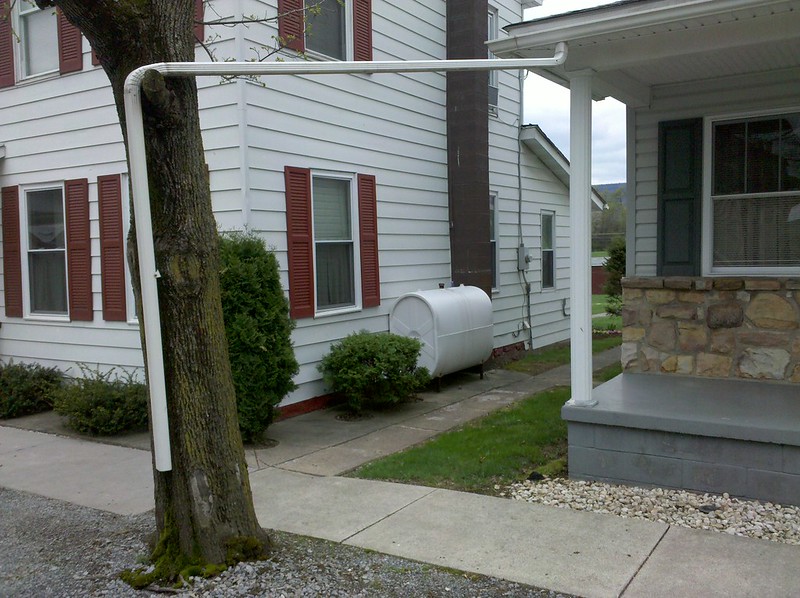
Rain gutter systems are vital for safeguarding your home against water damage by channeling rainwater away from the foundation. Effective gutters help prevent problems such as basement flooding and soil erosion. This guide outlines the key aspects of rain gutter systems, including different types, installation steps, maintenance tips, and their benefits.
Types of Rain Gutter Systems
K-Style Gutters: Characterized by a flat bottom and a decorative front resembling the letter “K,” K-style gutters are both aesthetically pleasing and capable of handling substantial water flow. They complement various home styles with their versatility.
Half-Round Gutters: Featuring a rounded, half-cylinder shape, half-round gutters are known for their smooth, classic look and efficient water handling. They are commonly used in traditional and historic homes but are also suitable for modern settings.
Box Gutters: Built directly into the roofline, box gutters have a rectangular shape and are ideal for commercial spaces and homes with an industrial design. They efficiently manage larger amounts of water and provide a sleek, low-profile look that is less obtrusive than other gutter styles.
Installation Process
- Planning and Measurement
Accurate measurement and planning are essential for a successful gutter installation. This involves assessing the roofline, determining the appropriate gutter size, and planning the downspout locations for optimal water flow.
- Mounting the Gutters
The gutters are installed along the roofline, secured to the fascia boards with brackets or hangers. Proper alignment and pitch are critical to ensure that water flows toward the downspouts and does not pool in the gutters.
Attaching Downspouts: Secure downspouts to guide water from the gutters down to the ground or into a drainage system. Place them strategically to ensure efficient water flow and avoid overflow issues.
Maintenance Tips
- Routine Cleaning: Regularly remove leaves, twigs, and other debris from your gutters to maintain smooth water flow and prevent blockages. Consistent cleaning reduces the risk of potential water damage.
- Check for Damage Regularly: Periodically inspect your gutters for any signs of wear, such as leaks, corrosion, or sagging. Swiftly fixing these issues helps keep the system working properly and avoids more significant problems.
- Verify Water Flow: Ensure that water moves freely through your gutters and downspouts. Clear any debris or blockages to maintain proper drainage and prevent potential overflow.
Benefits of a Well-Maintained Gutter Systems
- Avoid Water Damage: Effective gutters channel rainwater away from your home’s foundation, minimizing the risk of basement flooding and structural issues.
- Safeguard Landscaping: By managing rainwater flow, gutters help prevent soil erosion and protect your garden from excessive runoff.
- Prolong Roof Lifespan: Properly functioning gutters reduce water damage to your roof, helping it last longer and remain in better condition.
When selecting a gutter system, consider factors such as the type of roof, local climate, and your home’s architectural style. Consulting with a professional can help you choose the best system for your needs and ensure proper installation.
Rain gutter systems are an essential component of home maintenance, offering protection from water damage and enhancing the longevity of your property. By understanding the different types of gutters, following proper installation procedures, and performing regular maintenance, you can ensure that your gutter system functions effectively and continues to safeguard your home.
by admin | Feb 21, 2024 | Construction, Rain Gutters
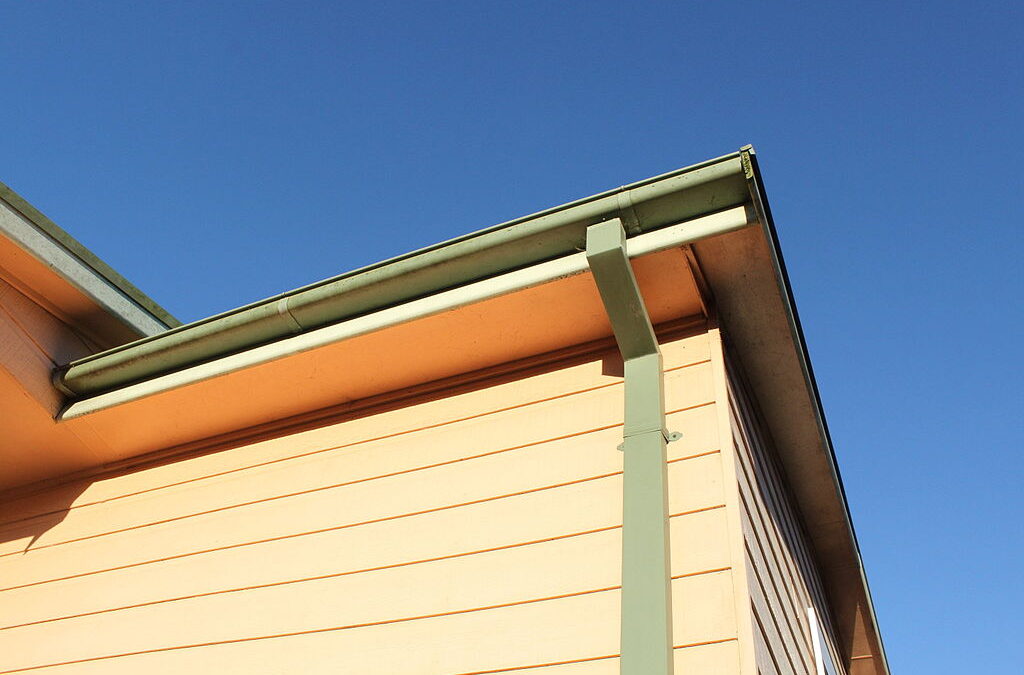
Modern rain gutters play a crucial role in shielding homes from the damaging effects of water. This guide highlights their significance in preventing issues like erosion, basement flooding, and structural damage by efficiently redirecting rainwater away from the foundation.
Choosing the Right Rain Gutters for Your Home
When it comes to selecting the right gutters, careful consideration of materials, styles, and sizes is essential. Aluminum, vinyl, and stainless steel are popular choices, each offering unique advantages. Opting for seamless designs not only enhances the aesthetics of your home but also minimizes the risk of leaks, ensuring long-term functionality.
Making the Move to Modern Gutters
The transition to modern rain gutters involves a personalized approach. Evaluate your home’s specific needs by consulting professionals who can guide you in determining the ideal size, placement, and optimal water drainage solutions. Additionally, incorporating gutter guards into your system can significantly reduce debris buildup, simplifying future maintenance efforts.
Installation and Maintenance Tips for Durable Rain Gutters
Precision is paramount during the installation of modern rain gutters. Skilled professionals ensure seamless integration, minimizing the potential for leaks and maximizing overall effectiveness. Regular maintenance, including routine cleaning and inspections, is crucial to enhancing gutter longevity. This proactive approach helps prevent clogs and potential damage, ensuring your gutter system remains in optimal condition.
Investing in modern rain gutters is a comprehensive strategy to protect your home. Recognizing the importance of both proper installation and routine maintenance is key to the longevity of your investment. With an efficient gutter system in place, your home is shielded from water-related issues, providing you with peace of mind.
In conclusion, delving into the realm of modern rain gutters offers a plethora of options to enhance both functionality and aesthetics. Choosing suitable materials, embracing seamless designs, and entrusting professionals for installation contribute to a robust system. Regular maintenance acts as a safeguard, ensuring your home remains protected from potential water damage. Embrace the benefits of modern solutions for optimal home protection.
by admin | Jun 29, 2023 | Rain Gutters
Rain gutters are an important part of any home’s exterior and can help protect it from water damage. To protect your home from water damage, rain gutters are installed on the edges of your roof. They guide rainwater away from the walls and into a drainage system. This also prevents erosion around the foundation. Rain gutters also regulate the flow of runoff, reducing damage to the siding, windows, doors, and other nearby areas. By installing properly functioning rain gutters on your property you can ensure that both your home and its surroundings stay safe from potential water-related problems.
Gutters Prevent Foundation Damage
Foundation damage is a type of damage to the structural components of a home that can be caused by various water-related incidents. When rainwater is not properly diverted away from the base of the exterior walls, it can accumulate and cause pressure against the foundation – leading to cracking, shifting, and settling. This can create an extensive array of costly repairs. Rain gutters help to reduce the risk of foundation damage by collecting and properly channeling away water that might otherwise accumulate around the home’s base.
Rain Gutter System Protects from Seepage
Seepage occurs when water infiltrates the soil and building walls. This can lead to deterioration, discoloration, and the proliferation of mold and mildew inside and outside the building, which can pose health risks. Rain gutters can be installed to prevent seepage. Rain gutters redirect rainwater away from the walls and into a drainage system, which reduces the risk of water accumulating around your home’s foundation and causing damage.
Gutters are Protection against Basement Flooding
Improper diversion of rainwater from the foundation can cause basement flooding, which can severely damage the building’s structure and contents. Inadequate gutters or blocked downspouts can cause rainwater to accumulate around the base of the house and seep into lower levels, resulting in flooding. By installing proper rain gutters and ensuring they are functioning correctly, you can help reduce the risk of basement flooding and protect your home from expensive damage.
Gutter Systems Safeguards Landscaping
Rain gutters also protect landscaping, such as gardens and flower beds surrounding the home, from water damage. Without rain gutters, rainwater can run off the roof and pool in these areas, leading to saturated soil and erosion. This can cause plants to become waterlogged and die, while excess runoff can wash away topsoil, making it difficult for plants to take root. Rain gutters help to reduce this risk by collecting and diverting rainwater away from the landscape, protecting your plants from water damage.
Properly installing rain gutters on your property is crucial in protecting your home and surroundings from expensive water-related issues. They work by directing water away from your home’s walls, windows, doors, and foundations, reducing the risk of water damage, basement flooding, and seepage. Investing in rain gutters will ultimately save you money by preventing costly future repairs. For optimal protection against water-related problems, make sure you have a fully functioning rain gutter system installed on your property today.